
Curious how TeamOhana can help you? Talk to us.
In this article
Never miss new content
Planning season is here, and AI is the line nobody knows how to fill. Most teams we talk to are budgeting it one of four ways: a flat amount per employee, a pool per department, an allowance per engineer, or an even spread by level. All four control the total. None of them prices the next hire.
This guide covers the four methods, where each breaks, and how to build the AI line from roles so it moves with the headcount plan instead of sitting beside it.
Key takeaways
- Most companies budget AI as a flat amount per employee, a department pool, an engineer allowance or an even spread by level.
- None of these methods prices a planned hire, so the AI line drifts away from the headcount plan as soon as hiring changes.
- AI spend does not behave like a seat cost. Jellyfish research found AI spend per active user tripled in six months at the typical company.
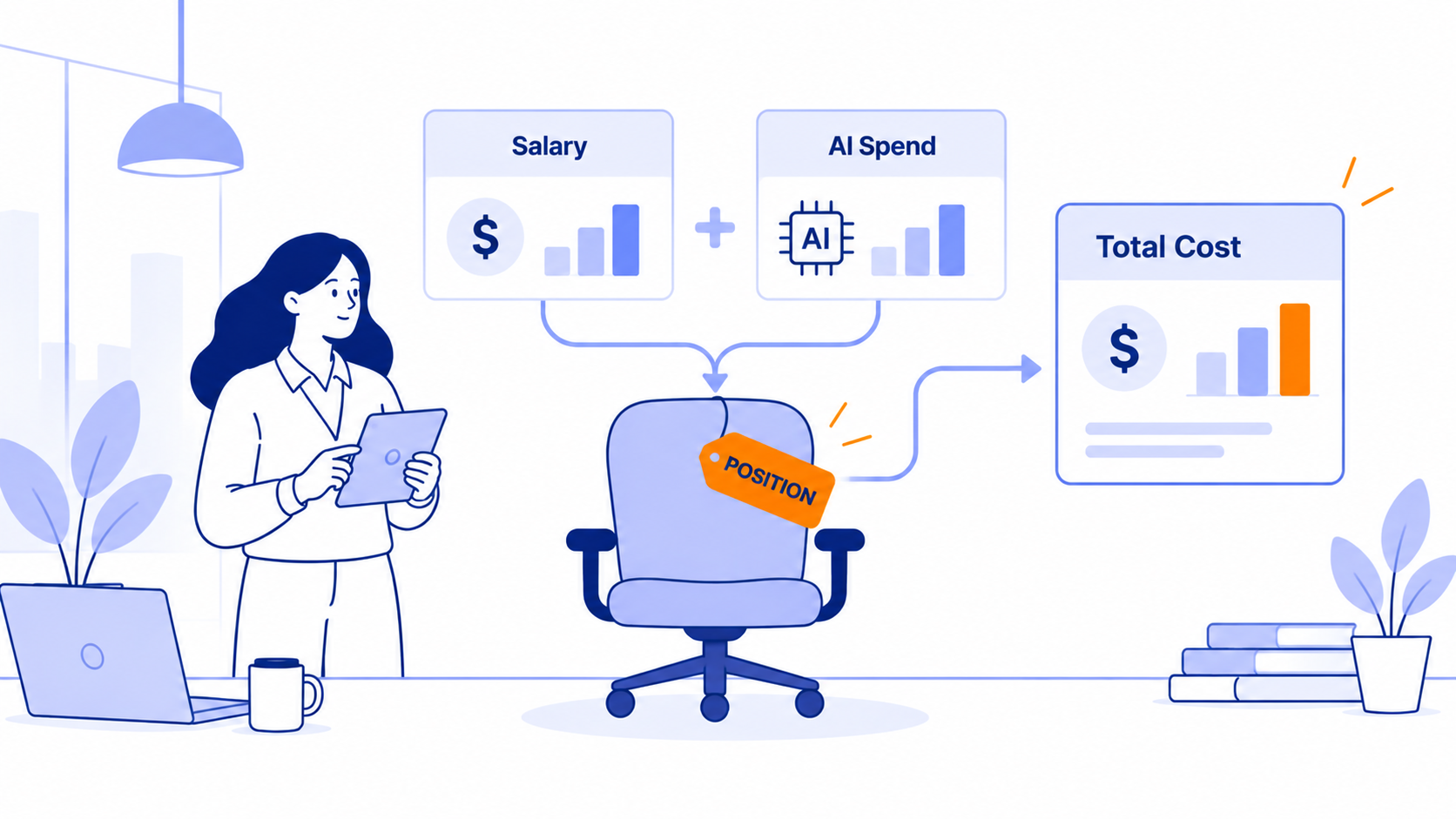
- Build the AI line by role: expected AI spend as a share of comp by job family and level, attached to every current and planned role.
- Budget digital co-workers as their own line, by the work they do, with a named owner.
How are companies budgeting AI for 2027?
Most companies are using one of four methods, usually built in a spreadsheet off last year's spend. Across conversations with finance, People and IT leaders at more than 20 companies between August and October 2026, these came up most often.
A flat amount per employee
A fintech company gives every employee $1,000 a month for one AI tool, with higher limits for some engineers and manual approval for overages. It is simple to administer. It overfunds light users and underfunds heavy ones.
A pool per department
A planning owner at an automation software company budgets AI by department, with some sub-teams in R&D getting more than others. They do it in spreadsheets:
"What we would do for the upcoming planning probably is... have a couple of lookups to estimate the global internal AI spend."
Department pools fit the way budgets are approved. They do not change when a department adds or loses people mid-year.
An allowance per engineer
A contact who owns the budget template at a mobility technology company is working out the right number:
"We're trying to establish a framework around how many tokens slash dollars an engineer gets every month."
An even spread by level
At an enterprise technology company, engineering manages AI spend closely, and everyone else gets what one planning lead called a "peanut butter spread by level."
Why don't these methods hold up?
They treat AI as a fixed cost, and it is not. Jellyfish Research, looking at more than 878,000 developer-weeks between March and August 2026, found that AI spend per active user tripled in six months at the typical company, and called a flat monthly line the riskiest assumption in a plan.
They also sit beside the headcount plan instead of inside it. When Finance adds 20 engineers to the plan, a department pool does not move. A People and Talent leader at a health tech company described what she wanted instead:
"If you're going to hire 20 ML engineers, at least you could start to forecast the total cost of the hire."
A People Ops lead at another customer asked for the same thing in different words: comp plus forecasted AI spend per head, by job family and level, in one planning view.
How to build the AI line from roles
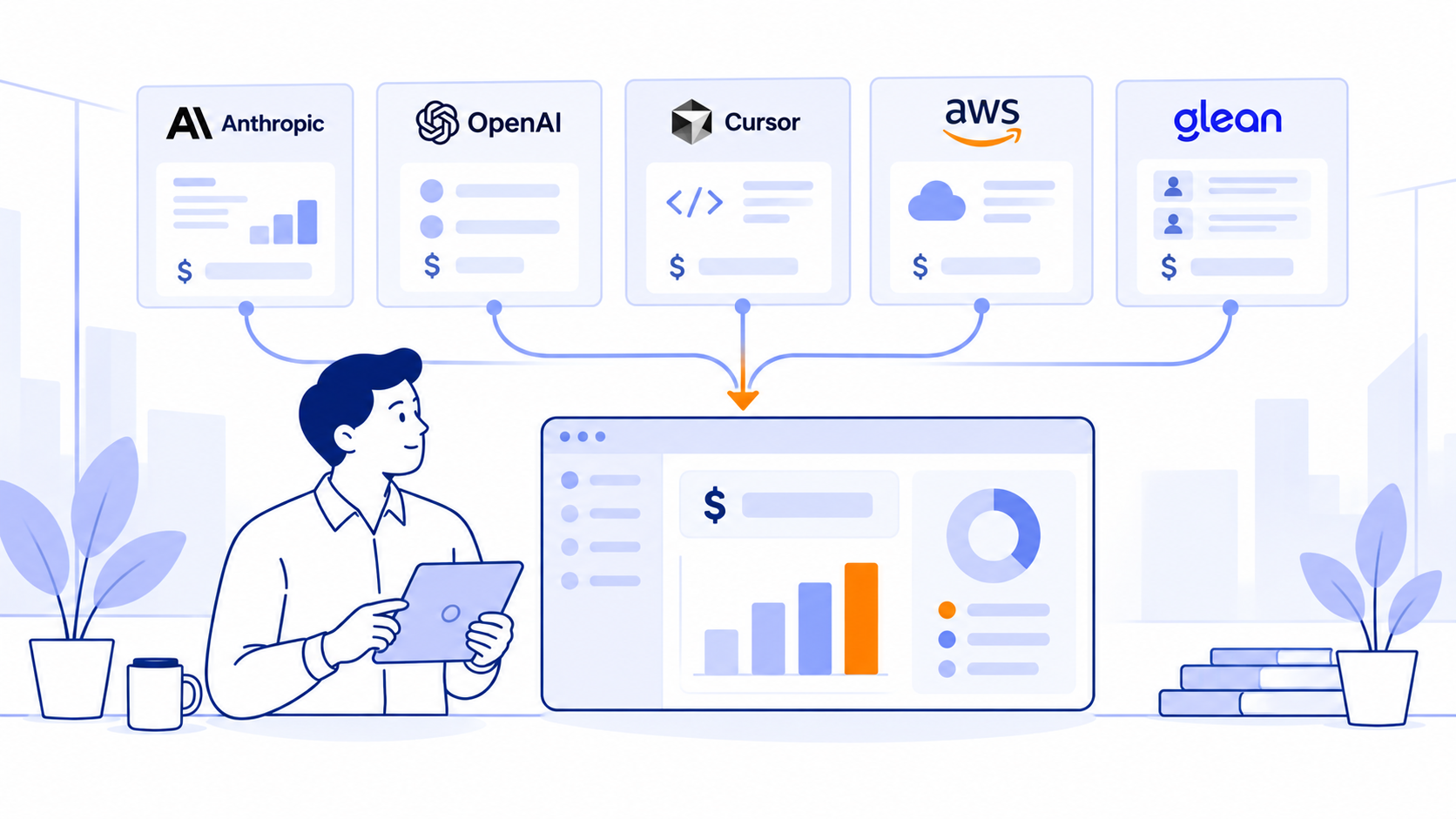
- Pull actuals by person. Attribute this year's AI spend to people across every provider, with seats amortized and duplicates removed.
- Group by job family and level. Calculate AI spend as a percentage of comp for each group. Engineers and support teams will look very different.
- Attach a rate to every role. Apply the group's rate to every current role and every planned hire in the headcount plan.
- Budget digital co-workers separately. Price each one by the work it does and its run cost, with a named owner.
- Model a usage scenario. Rerun the plan with usage at twice this year's rate, so the board sees the range before it sees a surprise.
- Review it with headcount. Look at AI actuals against plan in the same monthly review as hiring.
For a starting point before you have your own data, Section's 2027 planning guidance, based on what it saw in 2026, put individual AI usage at 2 to 5% of salary for knowledge workers and 7 to 10% for engineers. Replace those with your own rates as soon as you have them.
A worked example
The numbers below are illustrative, not benchmarks. Finance plans to hire 20 ML engineers next year at $250,000 in salary each.
- Payroll for the 20 hires is $5 million in salary before benefits and taxes.
- If the team's actual AI spend runs at 8% of salary, the same hires add about $400,000 in AI spend.
- If usage doubles, that becomes $800,000.
Priced this way, the hiring decision includes the full cost of the work. A department pool would not have moved at all.
What changes when AI is in the headcount plan
The AI line moves with hiring, so a hiring freeze or a new team changes both numbers at once. Budget owners see their team's AI spend next to their headcount. And leadership can weigh a new hire against more AI for the existing team using the same budget.
SeatGeek budgets this way today. Elisa Folden, Sr. Manager of Business Systems:
"A new engineer adds incremental payroll and incremental AI spend, and we now budget for both together."
How TeamOhana helps
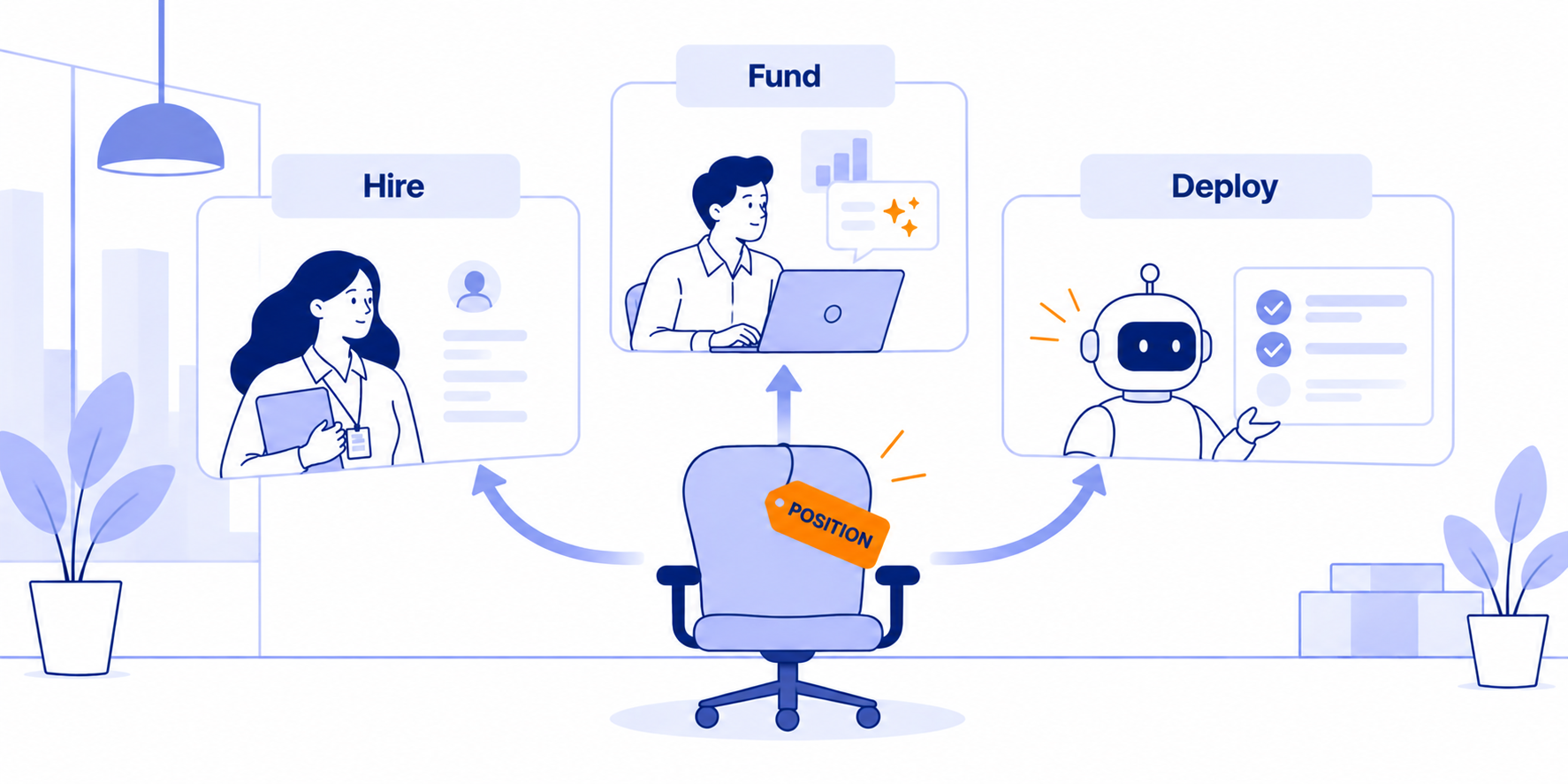
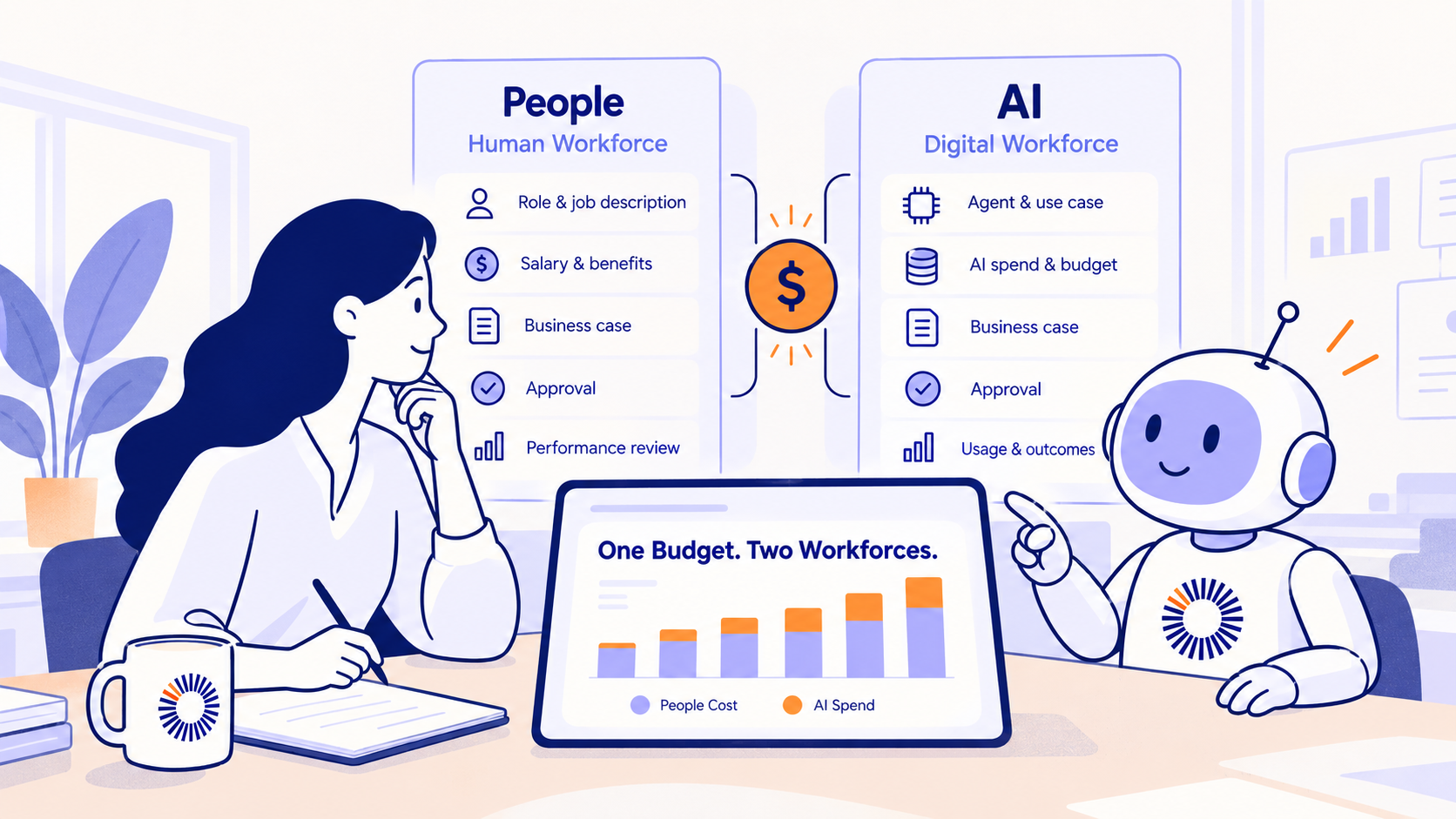
TeamOhana puts AI spend inside the headcount plan. Every person and planned hire carries comp and expected AI spend, so Finance sees AI spend as a percentage of payroll and forecasts both workforces in one budget. Finance can hire, fund more AI for existing teams or deploy digital co-workers from the same plan. Price next year's plan with your own data before it locks.
Related: Hire, fund, or deploy? How to price a backfill against AI, How to track AI spend in Anthropic, OpenAI, Cursor, Bedrock and Glean and why AI spend belongs in the headcount plan.
Sources
- Jellyfish, Tokenomics for Your 2027 R&D Budget (research on 878,000+ developer-weeks, Mar to Aug 2026), jellyfish.co
- Section, Everything You Need to Know When Building Your 2027 AI Plan, sectionai.com
- TeamOhana product page, AI Spend Management (Elisa Folden, SeatGeek quote)
- TeamOhana conversations with finance, People and IT leaders, Aug to Oct 2026 (anonymized)
Take control of your headcount spend

2027 AI budget FAQs
Simplifying TeamOhana: your questions, answered.
Start from your own actuals by job family and level. If you do not have them yet, Section's guidance of 2 to 5% of salary for knowledge workers and 7 to 10% for engineers is a reasonable starting range to replace with your own data.
AI spend scales with people and the work they do, so it belongs in the headcount plan next to comp. Keep seat contracts in the software budget if you need to, but forecast usage by role.
Give each one its own line, priced by the work it does and its run cost, with a named owner. Do not fold it into an individual's allowance.
Model it. A plan that shows the cost at current and double usage gives the board the range up front.
They treat AI as a fixed cost and sit beside the headcount plan instead of inside it. Jellyfish research found AI spend per active user tripled in six months at the typical company, and a flat line does not move when hiring changes.